The Hidden Threat
Protecting Your Omaha Roof: Ventilation, Maintenance, and Long-Term Performance
Most roofs fail before they should. Improper attic ventilation and skipped maintenance are the two leading causes of premature roof failure in Nebraska homes. Here is what every Omaha area homeowner needs to know.
Warning Signs
Four Signs Your Roof May Be Suffering From Poor Attic Ventilation
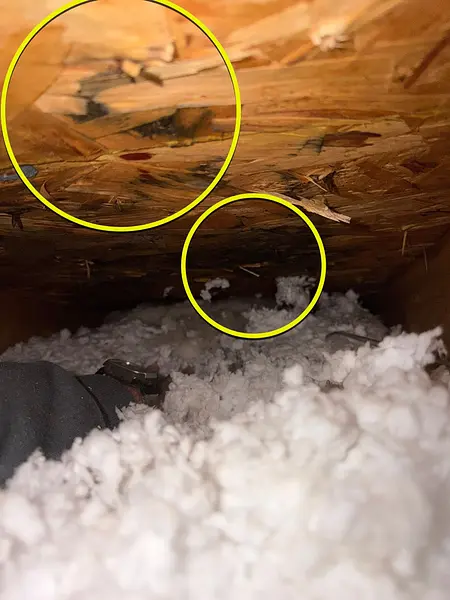
Visible Mold or Mildew on Attic Rafters:
Dark spots or fuzzy growth on the underside of your roof decking indicate trapped moisture. In Nebraska's humid summers, a poorly ventilated attic becomes a greenhouse that rots your roof from the inside.
Curling or Brittle Shingles:
If shingles look aged, brittle, or are turning up at the edges on a roof that should have years of life remaining, excessive attic heat is the likely cause. Both 3-tab and architectural shingles are vulnerable to heat damage from below.
Thick Ice Ridges or Ice Dams Along the Eaves:
After a Nebraska snowstorm, ice dams forming at the gutterline are a direct indicator that heat is escaping unevenly through the roof deck and melting snow at the peak while the eaves stay frozen.
Unusually High Energy Bills:
If your air conditioning runs constantly but your home still feels warm, your attic may be holding extreme heat that your HVAC system cannot overcome. Proper ventilation allows that heat to escape naturally and reduces cooling costs.
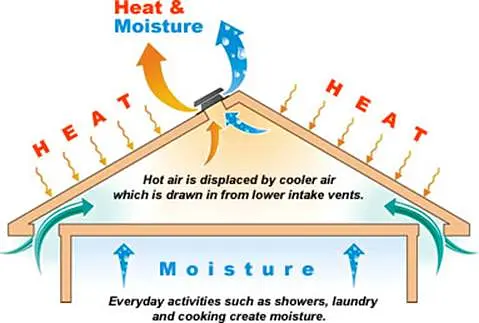
How a Healthy Roof Breathes
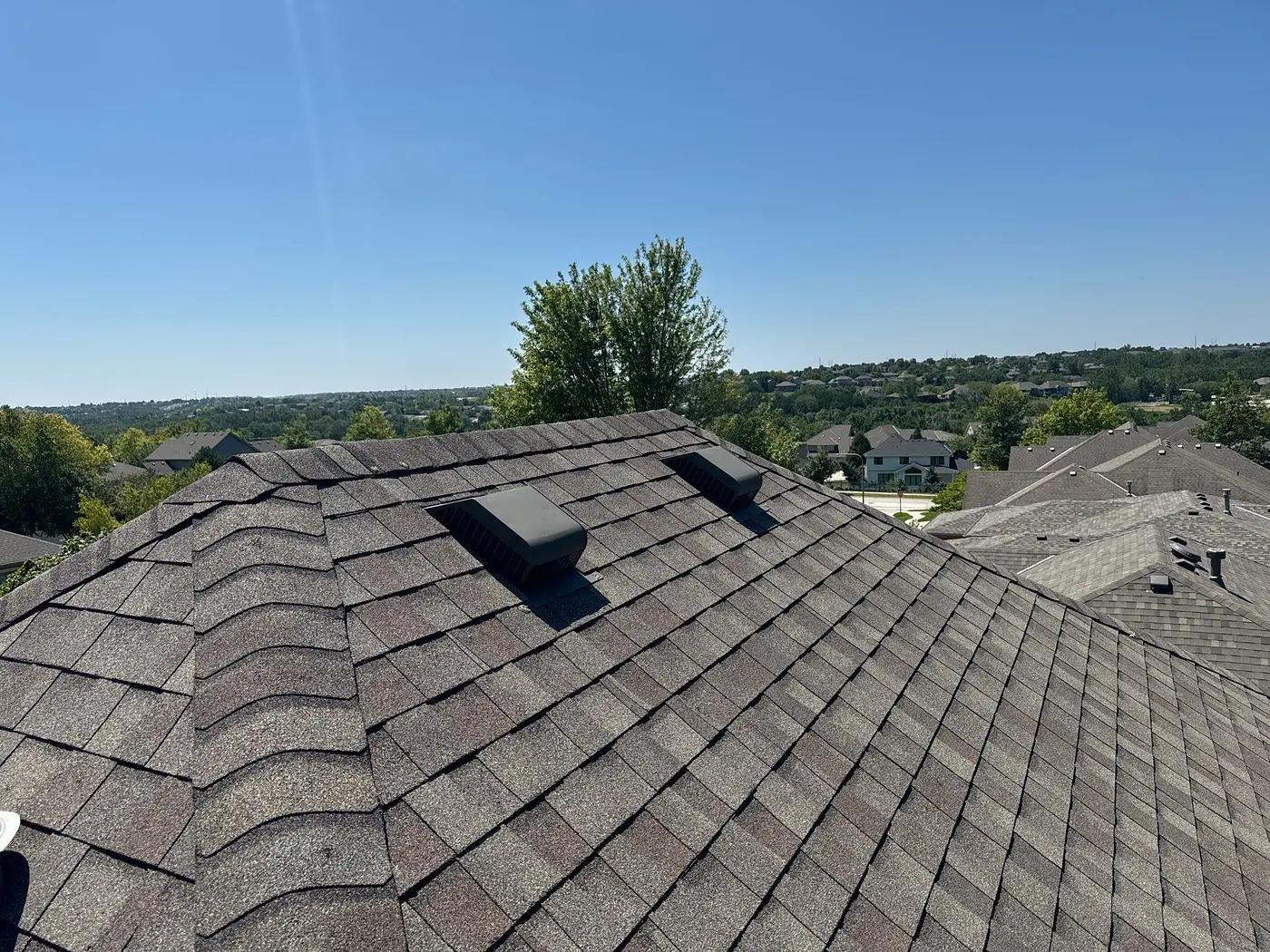
The Three Components of a Properly Ventilated Roofing System
The Three Pillars of Roof Longevity
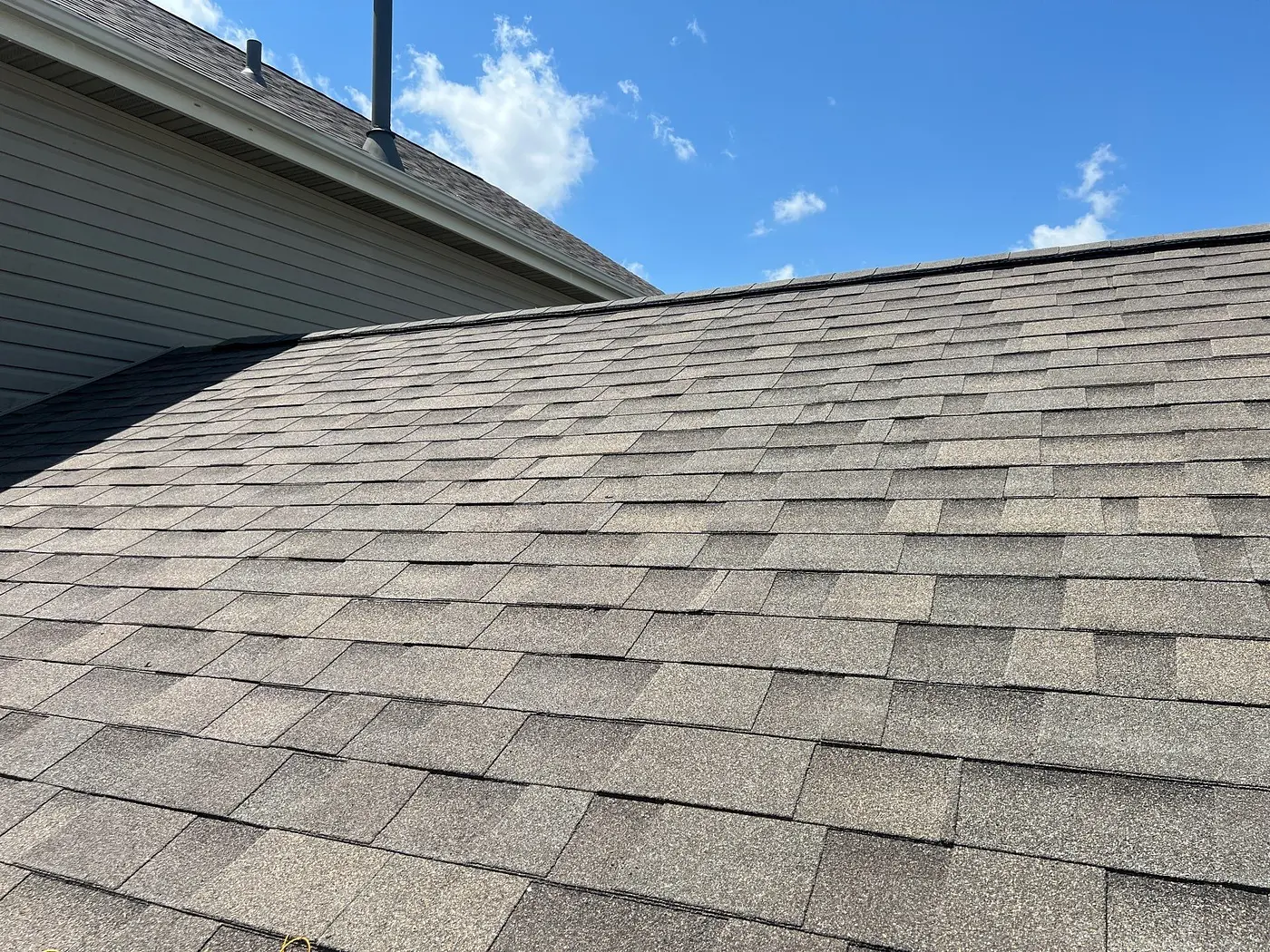
What Bell Contracting Looks for During a Roof Maintenance Inspection
Our Inspection Checklist
What We Look for on Every Omaha Area Roof
Granule Loss in Gutters:
If your gutters contain significant granule accumulation, your shingles are losing their UV protection. This is an early aging indicator that can often be addressed with targeted repairs to extend the roof's service life.
Cracked or Deteriorated Pipe Boots:
The rubber seals around roof penetrations typically last 10 years even when shingles last 25 to 30. Bell Contracting replaces deteriorated pipe boots before they allow water to run down interior wall cavities.
Nail Pops and Loose Flashing:
Nebraska temperature swings cause wood decking to expand and contract seasonally, which can push roofing nails up through the shingle surface. Bell Contracting resets and seals these to maintain a continuous watertight barrier.
Organic Growth on Shingles:
Green or black streaking on shingles is not purely cosmetic. Algae and moss hold moisture against the shingle surface and accelerate granule loss. Bell Contracting assesses whether growth is damaging the limestone filler in the shingles and recommends repair-first solutions to address it.
Flashing Condition at All Penetration Points:
Chimney flashings, skylight frames, and dormer intersections are the most common leak origination points on Omaha area roofs. Every inspection includes a thorough evaluation of all metal flashing and sealant conditions.
Roofing Resources & Next Steps
Expert solutions to extend the life of your Omaha roof.
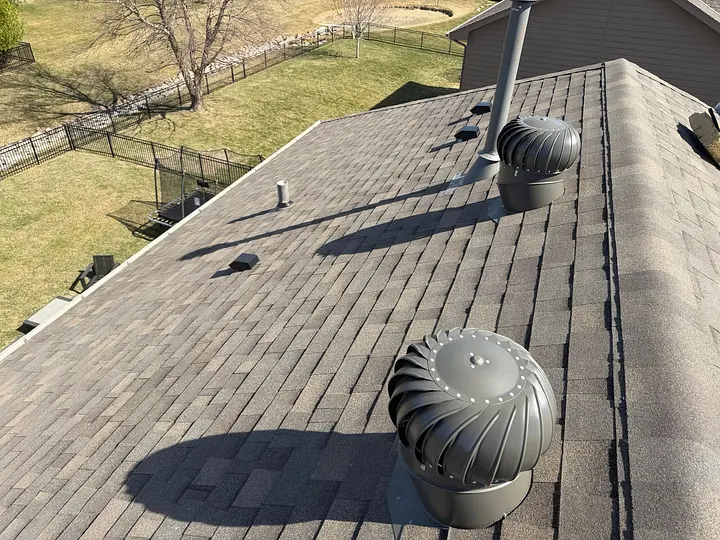
Repair-first solutions for hail damage and leaks. High-quality fixes to extend your roof's life.
Roof Repair
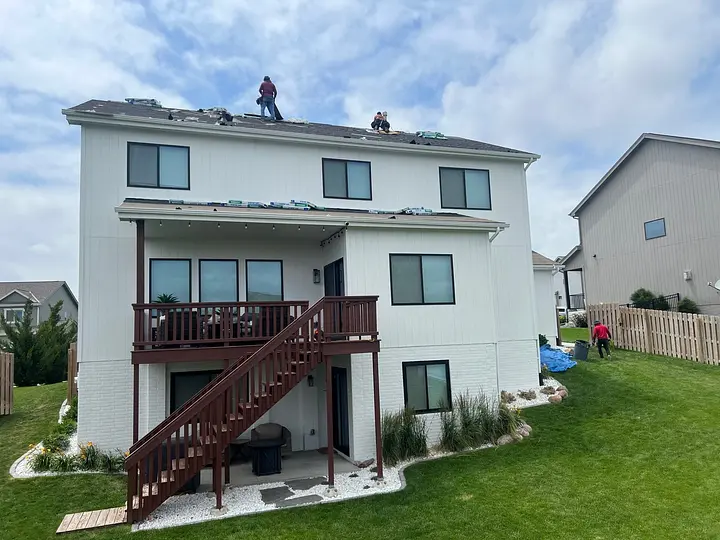
Impact-rated Malarkey systems built for Nebraska weather. Durable, efficient, and expert-installed.
Roof Replacement
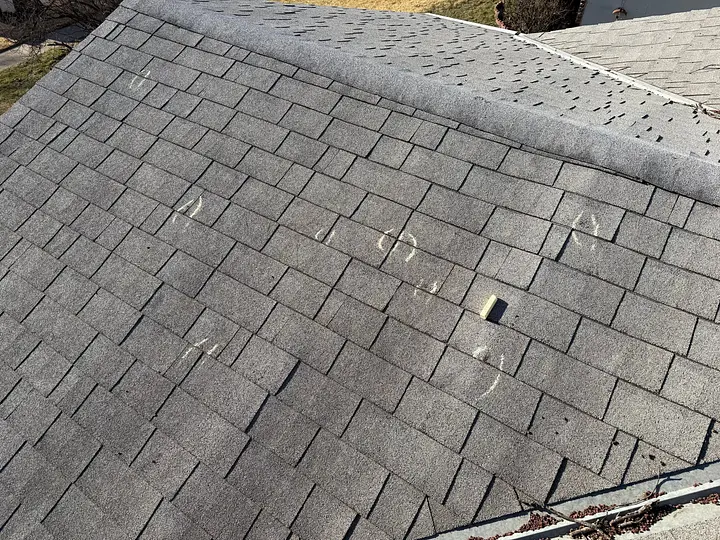
Expert roof health checks for Omaha homes. Find leaks and vent issues before they cost you.
Professional Roof Inspection
A Small Repair Today Saves a Major Expense
Bell Contracting provides honest maintenance inspections for homeowners across the Omaha metro area. If repair is the right call, that is what we will recommend. No upsells. No pressure.
FAQ